

death to instagram
I fear I am a slave to the algorithm / have I ever even had an original thought

My partner, Gem, and I, have made a habit of going to the cinemas on Mondays. My house is a ten minute walk to Lygon St, Carlton, where tucked away behind the sparkling façade of Brunetti’s and the sleek, minimal, Milligram shopfront, you’ll find Cinema Nova, a purple, shadowy enclave that, as well as feeling like a cursed dragon’s lair, offers $8 tickets on Mondays. Having exhausted the current new releases, we decided yesterday to opt for an anniversary screening of Josie and the Pussycats, a cult-classic-y, sparkly satire that takes aim at the music industry as it stood in the early 2000s: a scene focused on money-making, markets, and the commodification of its art.
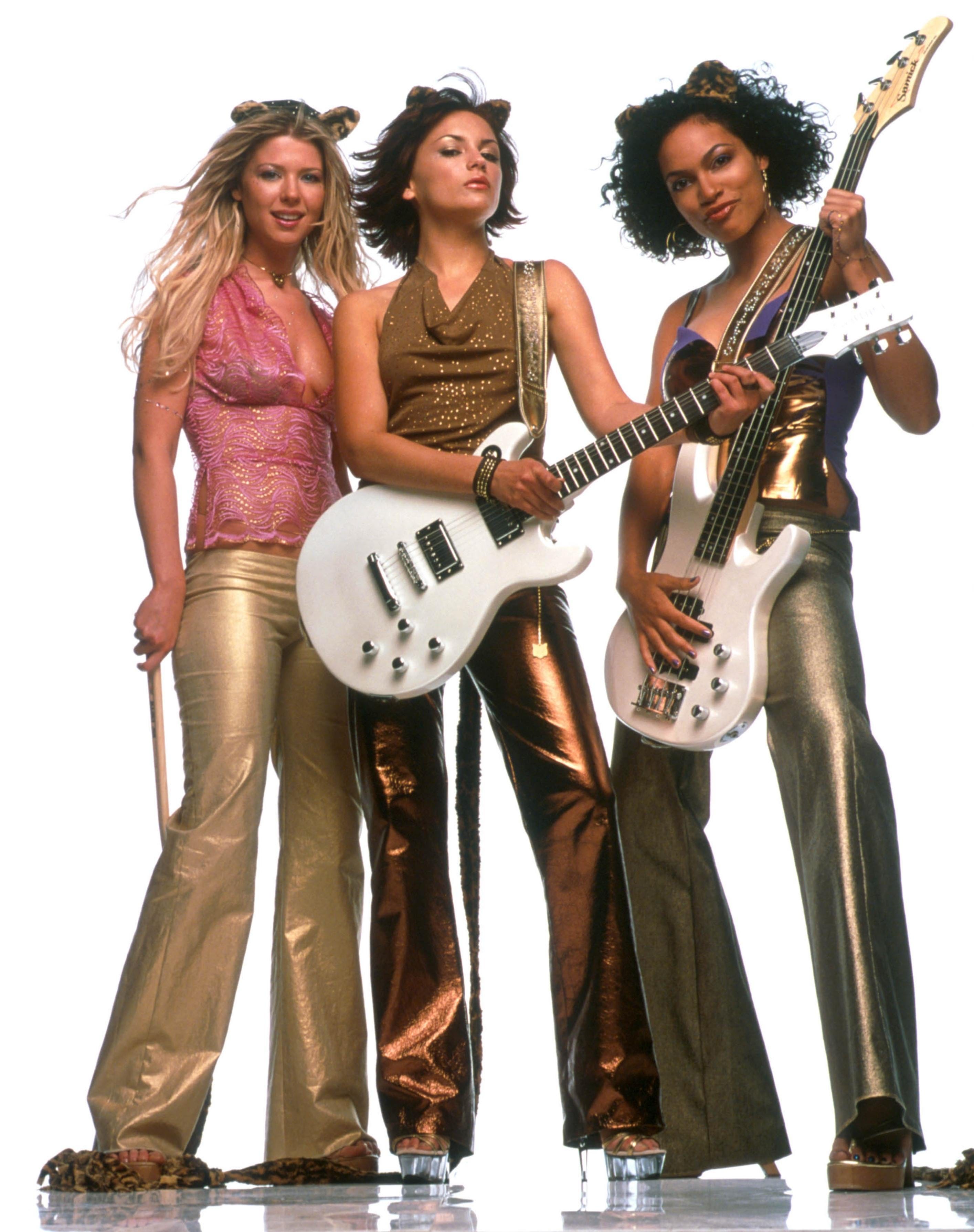
Here’s a rundown of the plot:
Josie and the Pussycats are a band out of American small town, Riverdale.1 They manage to get themselves a record deal with MegaRecords (see cunty Alan Cumming), and are flown to New York and swept up in a whirlwind of press, fame, and product placement. It is revealed to the audience that MegaRecords (the CEO of which is Parker Posey), is hiding subliminal messaging in the music of the Pussycats, compelling listeners to buy, buy, buy, consume, consume, consume.
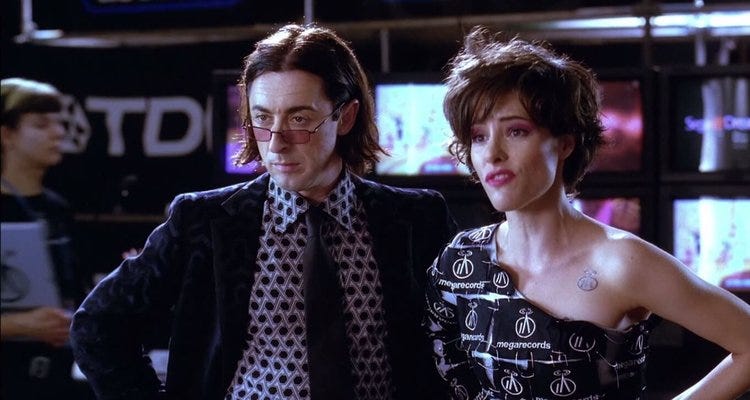
Every time fans listen to a song, they feel the urge to buy something, to change something about themselves. They need to love a new celebrity. They need to use the cool new slang. They need the newest hot sneakers, a Big Mac, the shirt they bought yesterday in a different colour, because now that pink is out, orange is so in.
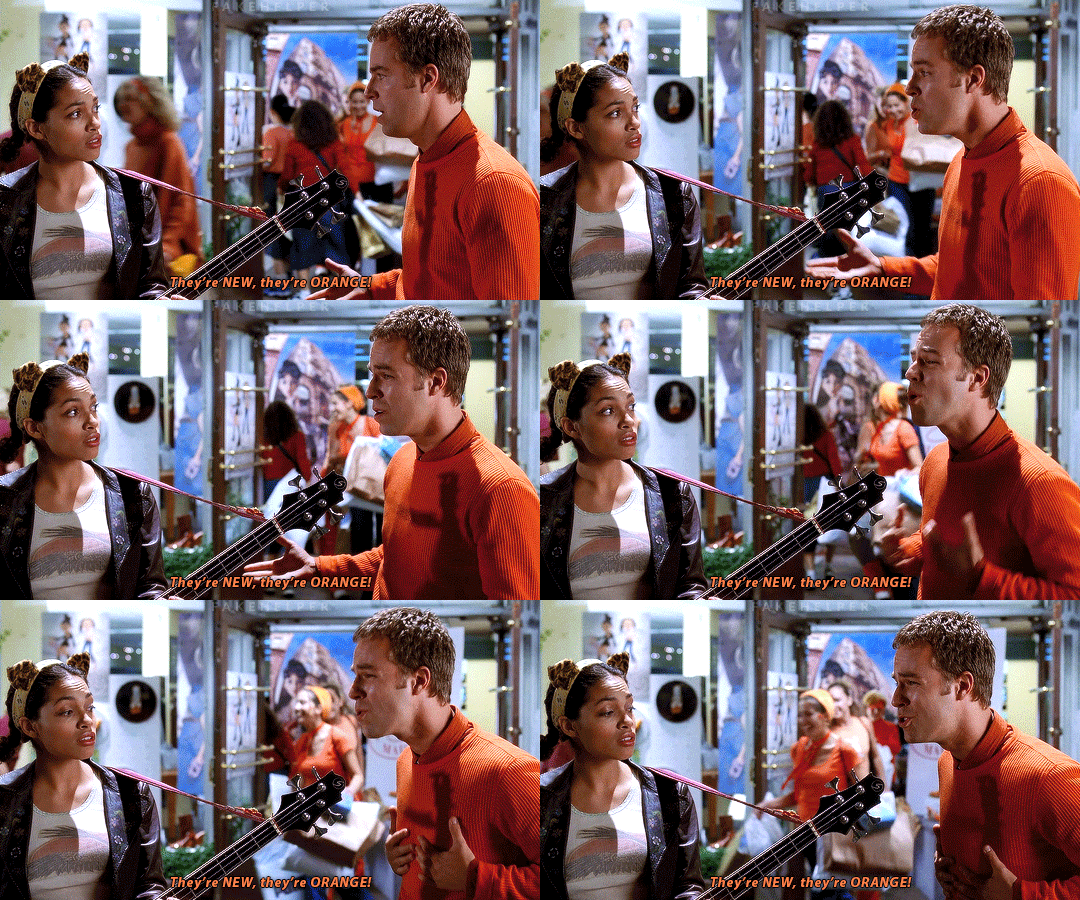
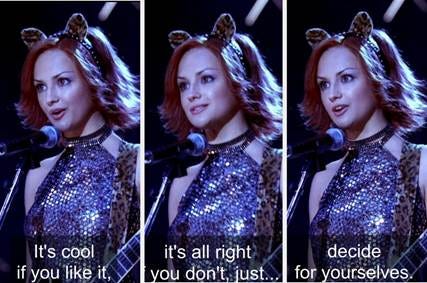
In the end, of course, the scheme comes crashing down, because MegaRecords are EVIL, and the Pussycats’ raving fans learn to decide for themselves what they like. Cue credits.
After the movie, we dumped our empty popcorn box and choc-top wrappers in the bin, and headed across the road to Readings. I have a list in my notes app of books I’d like to read, and I began my search in earnest, glossing over titles and authors I didn’t recognise in search for the ones I did. There’s an irony there: walking into a brick-and-mortar bookstore with a list ready, a list I have compiled from recommendations I’ve seen on TikTok, Instagram, heard on podcasts. I ignored the staff recommendations and the featured titles, preferring instead to keep to myself, to make my selections alone. Me and the internet, against the world.
I can’t help but make parallels to the movie; do I like what I like because I’m told to like it? Do I buy what I buy because I’m told to buy it?
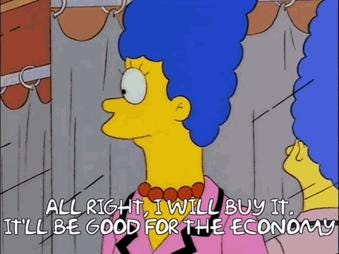
I saw a TikTok recently (the irony, again) about how oftentimes, you can tell how much time someone spends on the internet based on what they’re wearing. I’m someone who is highly invested in my personal style; I op-shop, I browse, I try not to buy into micro-trends and influencer-shilled brands. I don’t feel like myself unless my outfit represents how I feel on the inside. It’s highly likely (read: definite) that I haven’t escaped, though, I’ve just stepped over onto a neighbouring algorithmic lily pad. Everyone lives within their own little ecosystem, and I know that if I was put in a room with a bunch of people like me (read: gay, into thrifting and fashion, from Melbourne), we’d all look, if not the same, very, very similar.
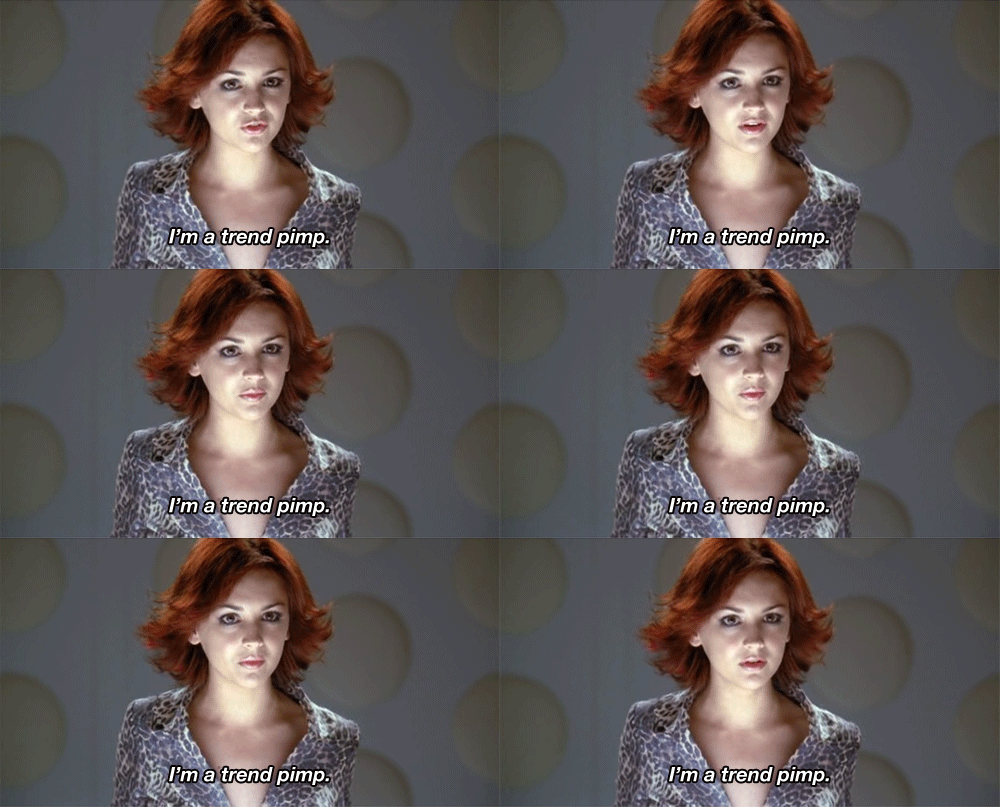
I know that I do not live in a vacuum. We live in a society!! Recommendations build, taste grows, style borrows. Nothing is original anymore. But there’s a whole wide world out there, and I just can’t seem to get my head out of my phone.
After checking out at Readings (I bought Life Before Man by Margaret Atwood and Cursed Bread by Sophie Mackintosh, in case you were interested), we stopped for a drink on the way home. The Clyde, which during the uni semester is generally full of college kids and PhD students, was blissfully empty. They also have $9.50 happy hour pints. We sat outside, and we talked about the movie. About how it was a box office flop because they marketed it to kids and young teens, despite it being a (I’d say pretty successful) pinching satire full of innuendo and sarcasm more suited to an adult audience. We talked about the subliminal messaging, about how the plot seems, somehow, more relevant now than it was when the movie was made, twenty-five years ago; just sub-out music for social media. About how every day we are bombarded with advertisements, marketing, repackaged and aestheticized, just like in the movie, in the hopes that we won’t notice, we’ll just buy. We talked about how Instagram (as well as TikTok) sucks up so much of our time, despite the fact that it isn’t even ‘good’ anymore. We’re both creative people, wanting to put time and energy into our pursuits, but somehow the internet consistently crawls its way in, and takes over. We justify it, telling ourselves that Instagram is a creative outlet, then we backtrack, realising we’ve duped ourselves: Instagram is not creative, it’s curated. It’s an algorithmic slop pile, designed to keep you looking, wanting, using, buying. Just like the music in the movie.
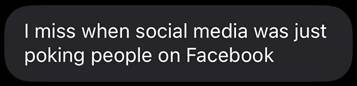
We decided, over our pints, that we needed to delete the Instagram app (and in my case, TikTok as well) off our phones. A solution! We’re gonna get so much time back, we’re gonna throw ourselves into our creative projects, we’re gonna live!
What I didn’t anticipate was how (and keep in mind it’s only been approximately 24 hours —god), how empty I would feel. Almost immediately I noticed myself reaching for my phone every few minutes, unlocking it, aimlessly tapping around looking for stimulation, a dopamine hit, anything. I found myself cycling between refreshing my emails, opening LinkedIn (bruh), and checking the weather. I woke up this morning, opened my phone, and felt lost. In my own room, surrounded by my own things, under my own doona, lying next to my sleeping partner, in a moment when I should feel the most at peace, and like myself, I felt adrift.
Instagram launched in 2010. It started gaining traction, at least in my world, in 2011-12, when I was thirteen. I followed my friends, posted occasionally, and trawled through Harry Styles’ grid. If you wanted to maximise likes (in the days of compulsory numerical like stats), you had to post at ‘prime time’, because the feed was chronological (generally 8-9pm-ish, when the most amount of your followers were likely to be online). There was no algorithm; you saw photos from the people you followed, in real time. In fact, I distinctly remember running out of posts, and reaching the bottom of the feed; I’d seen everything.
I opened up my old computer today, in the hope that I’d find some archaeological evidence of the ‘old’ Instagram. Low and behold:
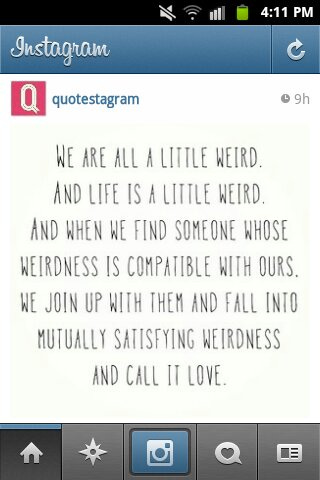
We see here a screenshot of my Instagram feed, via whatever shitty Samsung touchscreen I had at the time, on April 19, 2013.
And below, a compilation of posts I made to my (long dead) first Instagram account between the years 2012 and 2013. Keep in mind that they would have been singular grid posts (this makes me want to curl up and die, in the case of the sunglasses pic especially).


As much as I cringe when I look at these photos, they make me nostalgic for a time when the internet was a place of exploration; it was an extension of ourselves in an innocent, magical way. You wanted your grid to look unique, like it was yours. It was a scrapbook, a lo-fi blog, a fun and experimental collage. I think of Tumblr, too. I spent so much time arranging my blog, adjusting the theme, the colour, the music, the vibe. It was creative and it was joyous.2
Arielle Richards recently wrote on her blog, aridotcom, that “everything we thought we were creating from the bottom up has been subsumed and wielded against us under the top-down hegemony of the algorithm.” Old internet was ‘bottom-up’, new internet is ‘top-down’. We used to be the creators, the posters, the explorers. Now, we are merely the product. We no longer create, we consume.
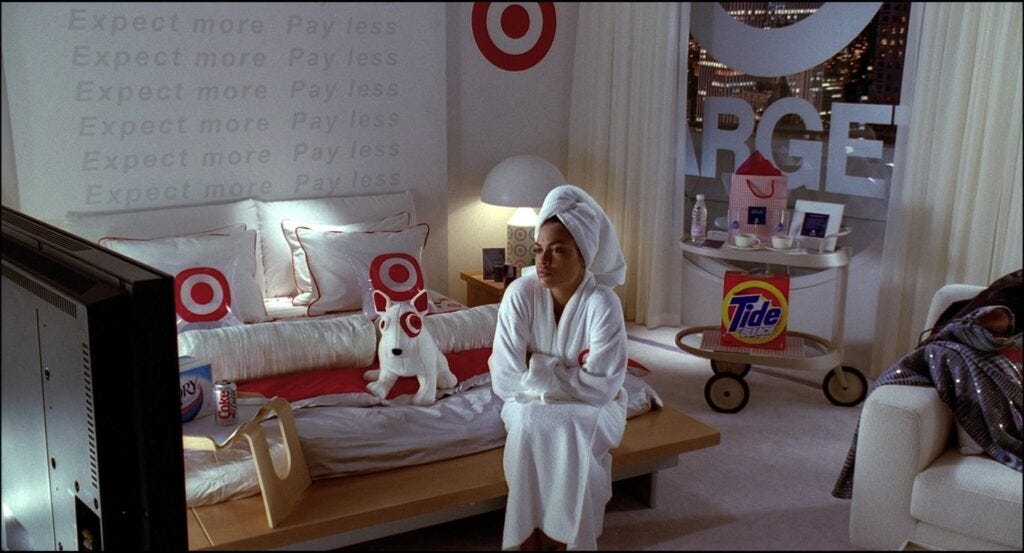
When I was young, my dad was staunchly anti-Facebook. I remember covertly signing up for an account when I was twelve or thirteen, and because nothing on the internet is a secret, getting in trouble when my parents inevitably found it.
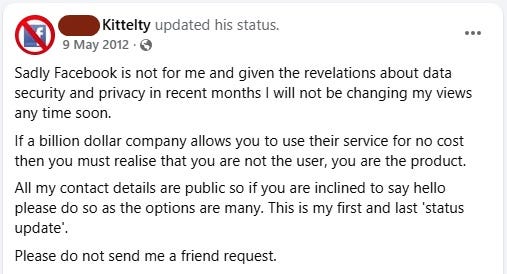
Our art, our music, our creative outputs, are all used against us. Just like in Josie and the Pussycats. MegaRecords uses the band’s art against them: their music is sanitised, warped, and used against their will to sell products, ideas, and beliefs. The ‘subliminal messaging’ even turns the bandmates against each other, leaving them too busy competing and fighting amongst themselves to notice what’s happening around them. In the age of AI, political echo-chambers and manufactured outrage, it’s a sentiment that feels, with hindsight, like an eerie, prescient warning.
“Democracy is in crisis globally, and technology is playing a role. Most large platforms optimize their designs for profit, not community or democracy” – The Conversation, 2025
Ok, let’s re-centre. Me and Gem are halfway through our pints. We’re sitting at The Clyde, on Elgin St. Bikes whizz past us and the smell of cigarette smoke lingers in the air. We’ve deleted Instagram from our phones. It’s satisfying. We feel, perhaps, a cloud of superiority forming around us. Are we, maybe, better than everyone? We’ve won against the algorithm, and it was… easy?
But then.
I’m gonna miss people’s stories!
What if [insert dream job here] posts that they’re hiring?
How will I show people my art?
What about my outfit videos? How will people know what I’m wearing?
How will I market this essay?
What about your radio show? How will you advertise it?
I’m gonna miss so many messages!
How will I find out about what’s happening in the world?
We’ll be so out of the loop!
Should I still post my book reviews?
How will I curate my image? How will I signal to people the things that I like? How will I show people what I am passionate about, what I am good at? How will I brand myself? How will I build myself? How will I become the person I want to be? Why the fuck am I so invested?
A few hours ago I was speaking to one of my housemates, who is an actor, about my decision to delete the app. They agreed with me: it’s exhausting. But if they were to delete social media, they said, they wouldn’t be able to promote their shows, their work, their portfolio.3
Here’s a message Gem sent me today:
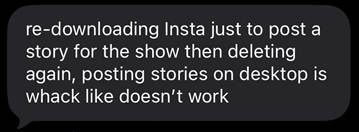
They have their own radio show, Gem’s Gems, on Kiss FM (shameless plug—can you blame me, considering?). The only accessible way to market the show, really, is through social media. It’s the same for me. If I want people to read my writing, to look at my art, to connect with my creativity, I need to post about it. And if people are going to read my stuff, it’s because they want to see what I, personally, have to say. How do I get them to care? Work doesn’t speak for itself anymore; I have to make them care about me.
Maisa, from Personal Scriptures, wrote the following: “Instagram [is] like a competition to see who can aestheticize their personality into a press kit. And maybe the most depressing part? When I’m looking for a professional—a hairstylist, a therapist, a dentist—I don’t open Google anymore. I open Instagram.”
If we want people to engage with our work, if we want to market (oh, the irony) our skills and artistic output, we have to engage right back. We have to commodify ourselves. We have to bend over and bow down to the algorithm. Yuck.
When I write, I usually try to end somewhere positive, find some type of uplifting conclusion. I try to put a bow on it, I suppose. But I’m really struggling here. I can’t tell you to log off, because you can’t. I can’t tell you to go back to the old internet, because it doesn’t exist anymore. I feel like I’m supposed to say something like: ‘make it work for you’ (ew), or ‘just do your best’ (EW), or ‘it’s all gonna be ok’ (I have no idea whether or not it’s all gonna be ok).
What I will say, cynicism and despair aside (they’re not gone forever, don’t worry), is that in the 24 hours since Instagram has been not on my phone, my brain has felt roomier than it has in a while.
Since The DeletionTM, I have:
- Finished a book (Brutes by Dizz Tate)
- Made a good start on another book (Bad Taste: Or The Politics of Ugliness by Nathalie Olah)
- Organised my Pinterest boards (I learned after I’d done this that a lot of Pinterest now is just AI, soooooo fuck that)
- Watched Scooby Doo 2: Monsters Unleashed
- Journalled
- Written this entire essay
Ok. Back to the pub. We’ve finished our pints, and we’re walking home through the university. Gem offers to carry the books we bought at Readings. I say that no, it’s ok, I’ve got them. You wanna performatively carry them? they joke. I say that yes, I do. Instagram is a performance; life is a performance. You just have to decide who you’re performing for.
Jewels x
P.S.
I’ve got a little treat for those of you who reached the end of this essay. An after-dinner mint, if you will.
I had a lot of fun looking through the archives of my old computer while searching for my old Instagram posts. See below for an exchange between me and my year nine crush, circa 2013:
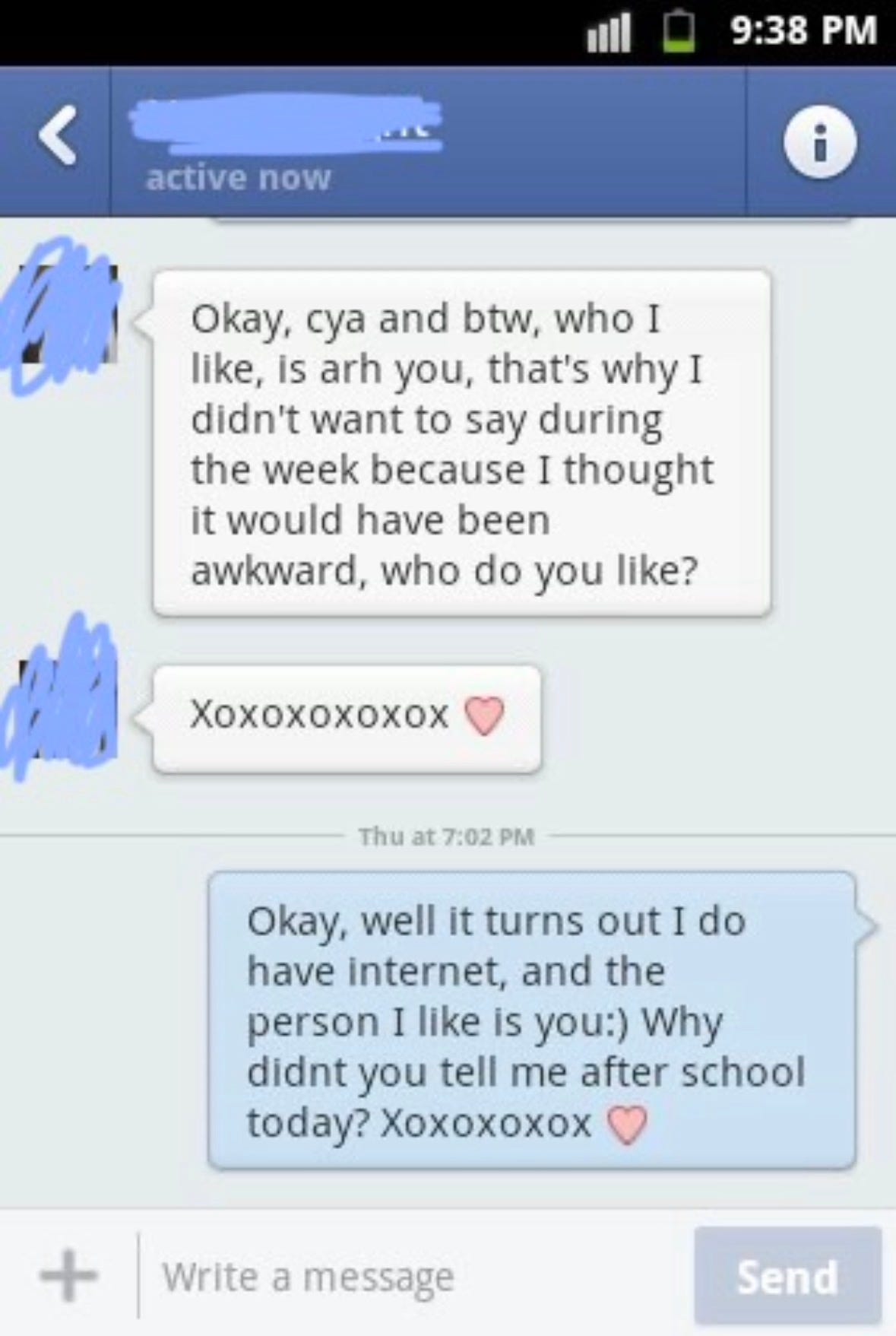
Xoxoxoxoxoxoxoxoxoxoxoxoxoxoxox <3
yes, the same infernal Riverdale from the Netflix show Riverdale.
I am of course aware that Tumblr wasn’t all sunshine and rainbows. Amongst the fan content, gifs, fanfiction, and aesthetic photographs you’d find posts that romanticised (and glorified) eating disorders, self-harm, depression, drug use, abusive relationships and questionable sexual dynamics. A topic for another day…
you simply must go and see Mrs Lovett’s Famous Meat Pie Grand Reopening Extravaganza for the Melb Comedy Fest: book tix here (you’ll see me there on opening night, obviously).